
5 Roofing Red Flags Home Inspectors Look For
Melissa Russell • October 31, 2025
Buying or selling a home? Learn the top 5 roofing red flags home inspectors look for — and how Ron Russell Roofing helps Florida homeowners fix them fast.
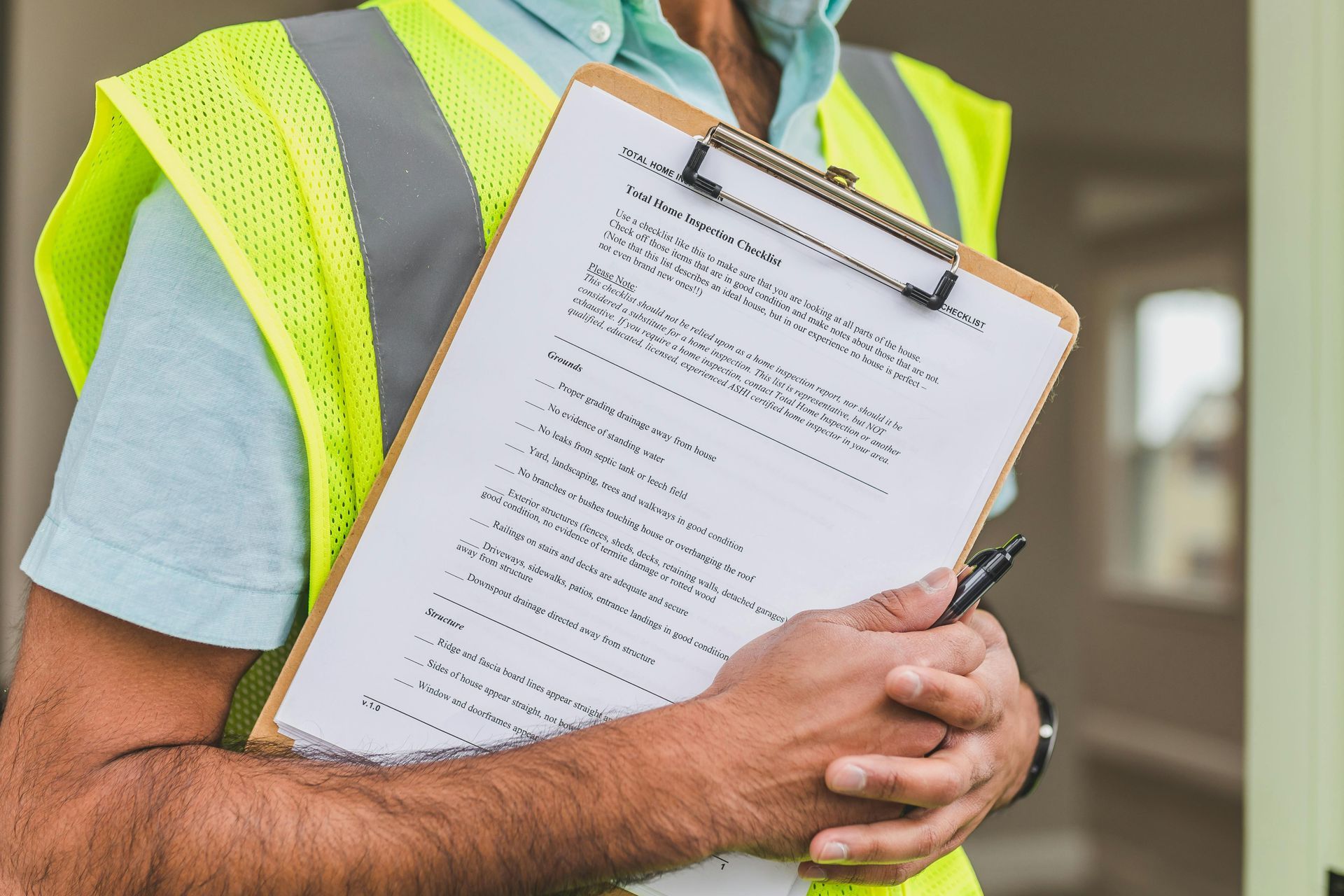
5 Roofing Red Flags Home Inspectors Look For
Whether you’re buying, selling, or just keeping up with maintenance, your roof is one of the most important parts of any home inspection. It’s also one of the first things inspectors look at — because roofing issues can signal expensive repairs or hidden damage below the surface.
Here are five roofing red flags home inspectors pay close attention to (and that every homeowner should, too):
1. Missing or Damaged Shingles
Loose, cracked, or missing shingles are one of the most obvious signs of roof wear. Inspectors flag these right away because they allow water to enter the roof system, leading to leaks and wood rot.
💡 Pro Tip: After any storm, check your roof for missing shingles or debris — especially around edges and valleys.
2. Sagging Rooflines
If the roofline looks uneven or dips in certain areas, it can indicate structural issues beneath the surface. Sagging often means there’s long-term moisture damage or weakened roof decking — both of which can get expensive if ignored.
3. Damaged or Improper Flashing
Flashing is the thin metal installed around chimneys, vents, and valleys to keep water out. When it’s loose, corroded, or improperly sealed, water can slip in and cause hidden damage.
🧰 Quick Fix: A simple flashing repair can prevent thousands in water damage later.
4. Poor Ventilation
A home inspector will always check attic ventilation. Without proper airflow, heat and moisture build up under the roof, causing shingles to age prematurely and increasing the risk of mold.
🌡 Sign to Watch For: A hot, stuffy attic — or shingles that curl or blister.
5. Water Stains or Interior Leaks
Water stains on ceilings or in the attic are a sure sign that water is getting past the roof system. Even if the leak looks minor, inspectors will flag it because it often points to a bigger issue with flashing, shingles, or underlayment.
The Bottom Line
A clean roof inspection can make or break a home sale — or save you from surprise repairs later. Catching these red flags early helps protect your home’s value and keeps your roof performing its best.
At Ron Russell Roofing, we know what home inspectors look for — and we fix issues before they become deal-breakers. From small repairs to full replacements, our experienced team ensures your roof passes inspection with confidence.
📞 Get your free quote today:
👉 www.RonRussellRoofing.com
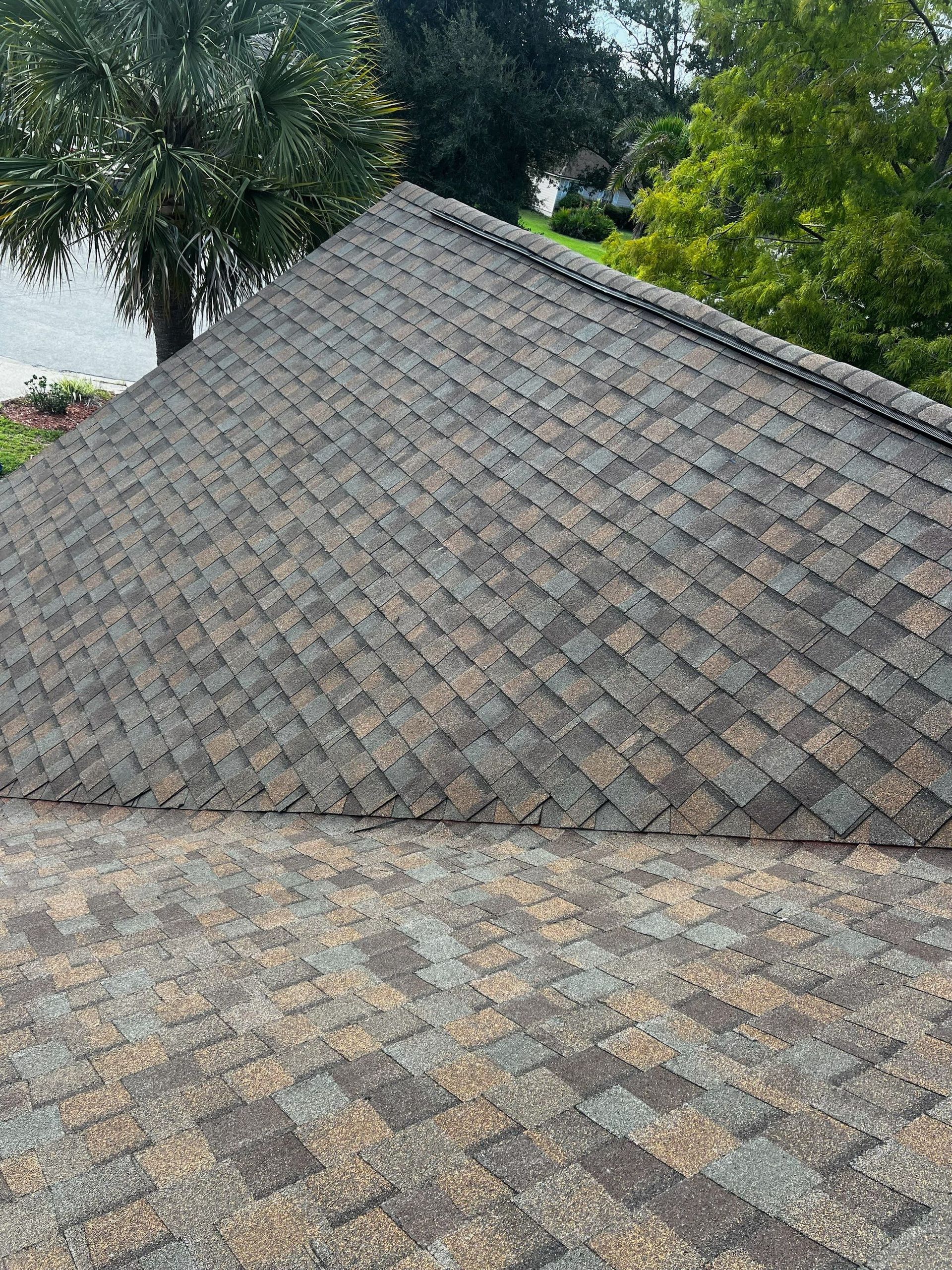
Wind Damage vs. Water Damage: How to Spot the Difference Learn how to spot wind and water damage on your Jacksonville roof. Discover common storm damage signs and when to schedule a professional roof inspection. In Florida, strong winds, heavy rain, tropical storms, and hurricanes can all contribute to roofing problems. Sometimes storm damage is obvious, such as missing shingles or a tree branch through the roof. Other times, the damage is much harder to see. Two of the most common types of storm-related roofing problems are wind damage and water damage . While they're different problems, they often occur together. Wind can damage your roofing system and create an opening that allows rainwater to enter your home. Knowing how to recognize the signs of both can help Jacksonville homeowners address roof problems before they become more expensive. What Is Wind Damage to a Roof? Wind damage occurs when strong winds loosen, lift, shift, or remove roofing materials. Wind can also damage flashing, vents, ridge caps, and other components of your roofing system. You don't necessarily need to see shingles scattered across your yard for your roof to have wind damage. Some damage can be subtle and may require a professional roof inspection to identify. Common Signs of Wind Damage After a significant storm, look for: Missing shingles Lifted or curled shingles Creased or cracked shingles Loose or damaged flashing Missing or damaged ridge caps Exposed underlayment or roof decking Roofing materials or debris in your yard Granules collecting around downspouts Damage from fallen branches or other debris Wind damage is particularly concerning because even a small opening in your roof can allow water to enter during the next rainfall. What Is Water Damage to a Roof? Water damage occurs when rain or moisture gets past the roof's protective layers. A roof leak may result from storm damage, deteriorated roofing materials, damaged flashing, failed seals, or other roofing problems. The challenge with water damage is that the source of the leak isn't always directly above the area where you see the problem inside your home. Water can travel along decking, insulation, framing, and other materials before becoming visible. Common Signs of Water Damage Inside your home, watch for: Brown or yellow ceiling stains Water spots on walls Peeling paint Bubbling or damaged drywall Damp attic insulation Mold or mildew Musty odors Sagging areas of the ceiling Visible dripping during or after rainfall If you notice a new ceiling stain following a storm, don't assume the problem will go away once the rain stops. The roof should be inspected to determine where the water is entering. How Can You Tell the Difference Between Wind and Water Damage? Wind damage generally starts with a physical problem affecting the exterior of the roof. Missing or lifted shingles, damaged flashing, and debris impacts are common examples. Water damage is often identified by the effects of moisture inside the home. Ceiling stains, wet insulation, mold, and damaged drywall can all indicate that water has entered the roofing system. However, determining the original cause isn't always possible from a visual inspection inside the home. A professional roofing contractor can inspect the exterior roof and attic to help identify the source and extent of the damage. How Wind Damage Can Lead to Water Damage Wind and water damage frequently go hand in hand. For example, strong winds can lift a shingle and break its seal without completely removing it. Wind can also loosen flashing or damage roofing materials around vents and other penetrations. When the next storm brings heavy rain, water can enter through those compromised areas. This means your roof may look relatively normal from the ground while still having damage that could eventually result in a leak. Jacksonville roofing professionals regularly encounter storm damage that isn't immediately obvious to homeowners. What Should You Do After a Storm in Jacksonville? After a significant storm, start with a visual inspection from the ground. Don't climb onto your roof yourself. Wet roofing surfaces can be slippery, and damaged roofing materials may be unstable. Instead, look around your property for: Missing shingles or roofing materials Roofing debris Fallen branches Damaged flashing Visible holes or openings New stains or leaks inside your home If you see damage, take photographs from a safe location. Photos can help document the condition of your property before repairs are performed. If your roof has an active leak, place a container beneath the leak if it is safe to do so and move furniture or belongings away from the affected area, then contact a qualified roof repair contractor in Jacksonville for an inspection. Why a Professional Roof Inspection Matters Not all storm damage is visible from the ground. A professional roof inspection can identify problems involving shingles, flashing, roof penetrations, underlayment, decking, and other components of the roofing system. An inspection can also help determine whether a problem appears to be localized and repairable or whether the roof has more extensive damage. For Jacksonville homeowners, having the roof checked after significant wind or storm activity can be especially useful when there are visible signs of damage or new water intrusion. Don't Ignore a Small Roof Leak A small leak doesn't necessarily mean you need a new roof. However, it shouldn't be ignored. Water that repeatedly enters a roof assembly can contribute to deterioration of roofing materials and other parts of the home. Addressing the source early may help prevent a relatively small roofing problem from becoming a larger repair. If you're seeing a water stain but can't identify the source, a professional roof leak inspection can help locate the problem. How to Protect Your Roof From Future Storm Damage You can't control Jacksonville's weather, but regular maintenance can help keep your roof in good condition. Consider these preventative steps: Schedule Regular Roof Inspections Routine inspections can help identify deteriorated shingles, damaged flashing, drainage problems, and other issues before they become major problems. Keep Gutters and Downspouts Clear Proper drainage helps direct rainwater away from your roof and home. Trim Overhanging Branches Branches hanging over your roof can become dangerous during high winds and may damage shingles or other roofing materials if they fall. Address Roof Repairs Promptly A damaged shingle or small flashing problem can create an opportunity for water intrusion. Taking care of repairs early can help protect the rest of the roofing system. Have Your Roof Checked After Significant Storms If your property has experienced strong winds or severe weather, consider scheduling a professional inspection—particularly if you notice missing materials, debris, or signs of water intrusion. When Should You Call a Jacksonville Roofing Contractor? You should consider contacting a roofing professional if you notice: Missing or damaged shingles A new roof leak Water stains on your ceiling Damaged flashing Roof debris following a storm Sagging or visibly damaged roofing materials An unexplained leak that appears during heavy rain A professional can assess the condition of your roof and explain what repairs, if any, are appropriate. Wind Damage vs. Water Damage: The Bottom Line Wind damage and water damage are different, but they are often connected. Strong winds can compromise shingles, flashing, and other roofing components, creating openings that allow rainwater into your home. The sooner potential storm damage is identified, the sooner you can take steps to protect your home. If you live in Jacksonville and suspect your roof has suffered wind damage, water damage, or other storm damage , scheduling a professional roof inspection can help you understand what's happening before a small problem turns into a larger one. Don't wait for the next storm to find out whether your roof is ready. Contact Ron Russell Roofing to schedule a professional roof inspection or discuss your roof repair needs.
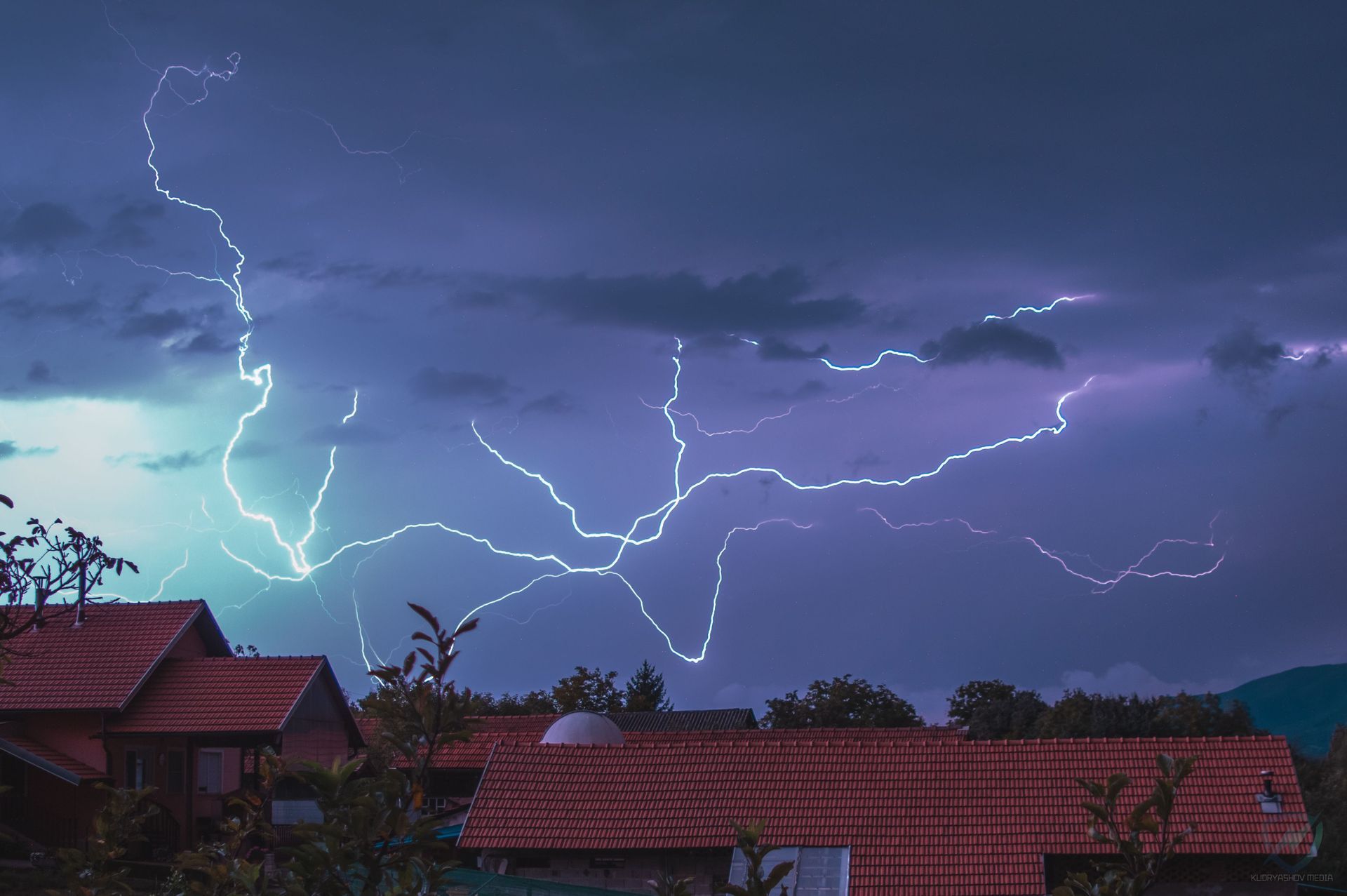
When a severe storm passes through, it's easy to focus on the obvious cleanup—fallen branches, damaged fences, or debris in the yard. However, one of the most important areas to inspect is your roof. Even if it looks fine from the ground, hidden damage can lead to costly repairs if left untreated. Scheduling a professional roof inspection after a storm is one of the best ways to protect your home, identify problems early, and ensure your roof continues to perform as it should. At Ron Russell Roofing, we help homeowners detect storm-related damage before it turns into a major issue. Storm Damage Isn't Always Visible High winds, hail, heavy rain, and flying debris can all cause damage that isn't immediately noticeable. While missing shingles are an obvious sign of trouble, many roofing problems develop beneath the surface. A professional roof inspection can uncover issues such as: Lifted or loose shingles Hail damage to shingles and flashing Cracked or broken roofing materials Damaged roof vents or flashing Soft spots caused by water intrusion Hidden leaks in the attic Gutter and downspout damage These problems may seem minor at first, but they can quickly lead to water damage, mold growth, wood rot, and expensive structural repairs if ignored. Why You Shouldn't Wait to Schedule a Roof Inspection The sooner you arrange a roof inspection after a storm , the better. Small roofing issues can worsen with every rainstorm, allowing moisture to penetrate your home's structure. Water damage often spreads into insulation, drywall, ceilings, and electrical systems before homeowners realize there's a problem. A prompt inspection helps: Prevent expensive roof repairs Protect your home's interior Extend the life of your roof Identify safety concerns early Provide documentation for insurance claims Early detection almost always saves money compared to waiting until leaks become visible inside your home. Professional Roof Inspections Help With Insurance Claims If your roof sustained storm damage, your homeowner's insurance may cover repairs or even a roof replacement. However, insurance companies typically require documentation showing the extent of the damage. A storm damage roof inspection provides valuable evidence, including: Photos of damaged areas Detailed inspection reports Documentation of hail or wind damage Recommendations for repair or replacement Having a roofing professional assess the damage before filing a roof insurance claim can help streamline the claims process and ensure nothing important is overlooked. The Risks of Inspecting Your Roof Yourself Many homeowners are tempted to climb onto the roof after a storm, but this can be dangerous. Storms often leave roofing surfaces wet, slippery, or structurally weakened. Walking on damaged shingles can make existing problems worse and increases the risk of serious injury. Instead of attempting a DIY inspection, rely on experienced roofing professionals who have the proper safety equipment and know exactly what signs of roof storm damage to look for. What Happens During a Professional Roof Inspection? A comprehensive roof inspection includes much more than a quick visual check. During an inspection, a roofing professional typically examines: Shingles and roofing materials Flashing around chimneys and vents Roof valleys Ridge caps Gutters and drainage systems Skylights Attic ventilation Signs of water intrusion Structural integrity of the roof The goal is to identify both visible and hidden damage before it develops into larger problems. Common Types of Storm Damage Different types of storms create different roofing challenges. Wind Damage Strong winds can lift shingles, loosen flashing, and expose the roof deck to moisture. Hail Damage Hail can crack shingles, remove protective granules, dent metal components, and shorten the life of your roofing system. Heavy Rain Rain often reveals weaknesses in your roofing system, allowing water to seep through damaged shingles or flashing. Falling Debris Tree limbs and flying debris can puncture roofing materials and create immediate leaks. A professional roof inspection identifies damage from all of these weather events before they become more serious. Protect Your Investment Your roof is one of the most important parts of your home. Regular inspections—especially after severe weather—help preserve its lifespan and protect everything underneath it. Even if your roof appears undamaged, hidden issues can remain unnoticed for months. A professional inspection provides peace of mind and helps you make informed decisions about repairs or replacement. Schedule Your Roof Inspection Today If your area recently experienced high winds, hail, or heavy rain, don't assume your roof escaped damage. A professional roof inspection after a storm can uncover hidden problems, prevent costly repairs, and provide the documentation needed for insurance claims. Ron Russell Roofing has the experience to thoroughly inspect your roof, explain any findings, and recommend the best course of action. Whether your roof needs minor repairs or a full replacement, our team is committed to protecting your home with quality workmanship and honest service. Contact Ron Russell Roofing today to schedule your professional storm damage roof inspection and keep your home protected year-round.

As Thanksgiving arrives, many of us take a moment to reflect on what we’re grateful for—family, comfort, stability, and the place we call home. At the center of all of those things sits something most homeowners rarely think about: the roof over their heads. A strong, dependable roof does far more than complete the look of your house. It protects your family, your belongings, and your peace of mind. This Thanksgiving, here’s why your roof deserves a little appreciation too. It Keeps Your Home Safe and Dry Your roof is your home’s first shield against Florida’s heat, rain, wind, and unpredictable weather. A healthy roofing system prevents leaks, stops moisture intrusion, and protects the structure of your home so you can focus on what matters—enjoying the holiday season with the people you love. It Maintains Comfort Indoors No one wants to spend Thanksgiving adjusting the thermostat nonstop. A well-maintained roof improves insulation and ventilation, helping keep your home cooler in the summer and comfortable year-round. That means your home stays cozy without driving up your energy bills. It Preserves the Value of Your Home Your roof plays a major role in curb appeal and long-term home value. A durable, professionally installed roof protects your investment and can even boost resale value if you decide to sell. It’s one of the biggest contributors to your home’s overall health. It Supports Everyday Peace of Mind A failing roof leads to stress and surprise repairs—something no homeowner wants. Knowing your roof is in good condition allows you to enjoy life’s moments without worrying about leaks or damage, especially during the busy holiday season. Give Your Roof a Little Thanks This Season Thanksgiving is the perfect reminder to show your home some appreciation, too. A simple inspection or routine maintenance can go a long way toward keeping your roof strong for years to come. If you need an expert eye, Ron Russell Roofing, Inc. is here to help—ensuring your home stays protected, comfortable, and ready for every season ahead. Happy Thanksgiving from our family to yours! 🦃🏡
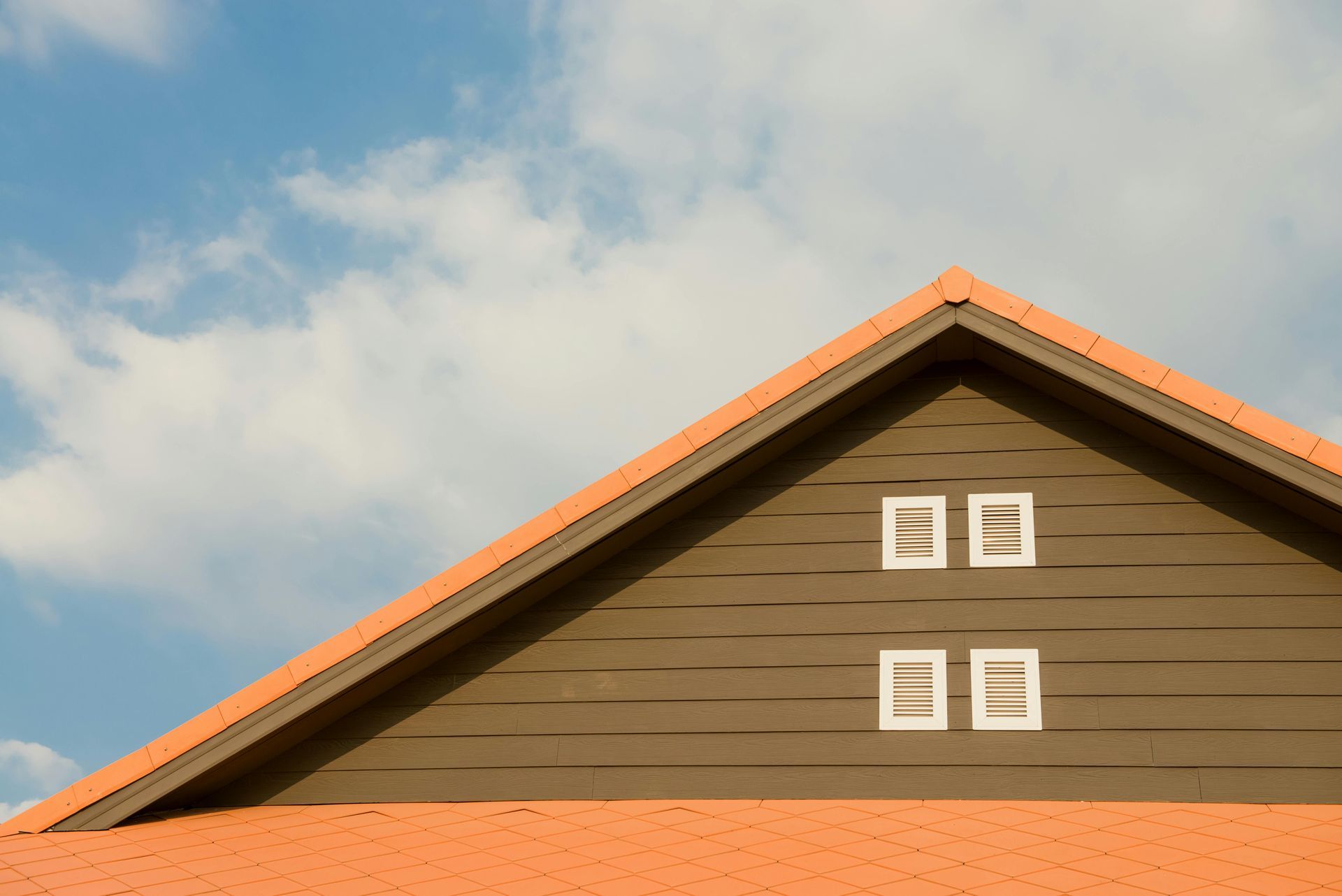
When you invest in a new roof, you’re not just paying for shingles and materials—you’re paying for trust. You want to know the workmanship is solid, the installation is correct, and the company standing behind the job is dependable. At Ron Russell Roofing Inc., we take that responsibility seriously. That’s why every roof we install is backed with confidence, honesty, and industry-leading craftsmanship. Here’s how we ensure every customer gets a roof they can trust for years to come. 1. We Use Proven, High-Quality Materials Your roof is only as strong as the products used to build it. Inferior materials may save money upfront, but they fail faster and create long-term problems. At Ron Russell Roofing, we install roofing systems from trusted, reputable manufacturers known for durability and performance in Florida’s climate. Whether it’s shingles, metal, underlayment, flashing, or ventilation components—your roof is built with products designed to last. Quality materials = a quality roof. 2. Our Installers Are Skilled, Experienced, and Detail-Oriented A great roofing system requires more than good materials—it takes skilled hands and technical expertise. Our team is trained to follow manufacturer guidelines, Florida building codes, and best practices for long-lasting installations. We don’t cut corners. We don’t rush through jobs. And we treat every home like it’s our own. That level of attention shows in the final result—and it shows in the roofs that stand strong year after year. 3. We Follow a Thorough Installation Process Every project, big or small, follows a clear and detailed process designed to ensure accuracy and consistency: Full pre-installation inspection Tear-off and assessment of decking Proper underlayment installation Precise flashing placement Correct shingle or metal panel installation Ventilation and finishing details checked Final cleanup and property protection This isn’t “just a roof”—it’s a complete system , and we make sure each piece works together the way it should. 4. We Stand Behind Our Workmanship A roof installed correctly should provide years of protection. That’s why we back our workmanship—not just the materials. If a problem arises because of the way something was installed, we make it right . It’s that simple. Our reputation in the community is built on trust , and we protect it by being the kind of roofing company that stands behind every nail, every line, and every detail. 5. Clear Communication from Start to Finish Homeowners deserve to know what’s happening on their roof—from the first inspection to the final walkthrough. We keep you informed throughout the process so you always understand: What we’re doing Why we’re doing it What you can expect next No guesswork. No surprises. Just honest communication and professional service. 6. A Commitment to Long-Term Customer Care A roof installation isn’t the end of our relationship—it’s just the beginning. Whether you need a future inspection, storm damage assessment, or answers to maintenance questions, we’re here long after the job is complete. Homeowners feel confident not just because of the roof we build, but because of the support we provide after it’s installed. Trust a Roofing Company That Stands Behind Every Job Confidence doesn’t come from talking—it comes from doing the job right. At Ron Russell Roofing Inc., we combine the best materials, expert installation, and honest customer care to give you a roof you can rely on. Whether you're replacing your roof or planning ahead, our team is ready to deliver the craftsmanship and peace of mind you deserve. 📞 Call today to schedule an inspection 🔨 Quality installation. Honest service. Confidence in every roof.

1. Ignoring Early Signs of Roof Damage Small issues like missing shingles, minor leaks, or granules in the gutter often get dismissed. The risk: Moisture intrusion, attic damage, and interior ceiling stains. How to avoid it: Don’t wait—schedule a professional inspection as soon as you notice something unusual. 2. Delaying Roof Replacement Many homeowners try to extend their roof’s life beyond its limits. The risk: Accelerated deterioration, leaks, mold, and expensive emergency repairs. How to avoid it: Know your roof’s age and condition. If it’s 15–20+ years old, get yearly inspections. 3. DIY Roof Repairs Roofing is not a DIY-friendly project. The risk: Injuries, voided warranties, and incorrect repairs that lead to bigger issues. How to avoid it: Always use a licensed roofing contractor—especially in Florida’s challenging weather conditions. 4. Choosing the Cheapest Contractor Low bids often mean low-quality work. The risk: Poor installation, inferior materials, and a roof that won’t last. How to avoid it: Choose a reputable company with strong reviews and proven craftsmanship—like Ron Russell Roofing. 5. Neglecting Gutter Maintenance Clogged gutters cause water to back up onto the roof. The risk: Rot, leaks, fascia damage, and mold growth. How to avoid it: Clean gutters twice a year or install gutter guards to reduce buildup. 6. Overlooking Roof Ventilation Ventilation is essential for roof health—especially in Florida’s heat. The risk: Trapped moisture, warped shingles, high energy bills, and a shorter roof lifespan. How to avoid it: Have a roofing professional evaluate your attic ventilation regularly. 7. Not Maintaining Flashing and Sealants Flashing often fails before the roof itself. The risk: Hidden leaks around chimneys, vents, skylights, and valleys. How to avoid it: Include flashing inspections as part of your routine roof maintenance. 8. Skipping Annual Roof Inspections This is the #1 roofing mistake. The risk: Unseen damage that grows into costly repairs. How to avoid it: Schedule yearly inspections—especially after hurricanes or heavy Florida storms. Protect Your Home with Ron Russell Roofing Inc. Avoiding these common mistakes will extend your roof’s lifespan and protect your home from costly damage. Whether you need an inspection, repair, or full replacement, Ron Russell Roofing Inc. delivers reliable, professional service every time. 📞 Call today to schedule your inspection
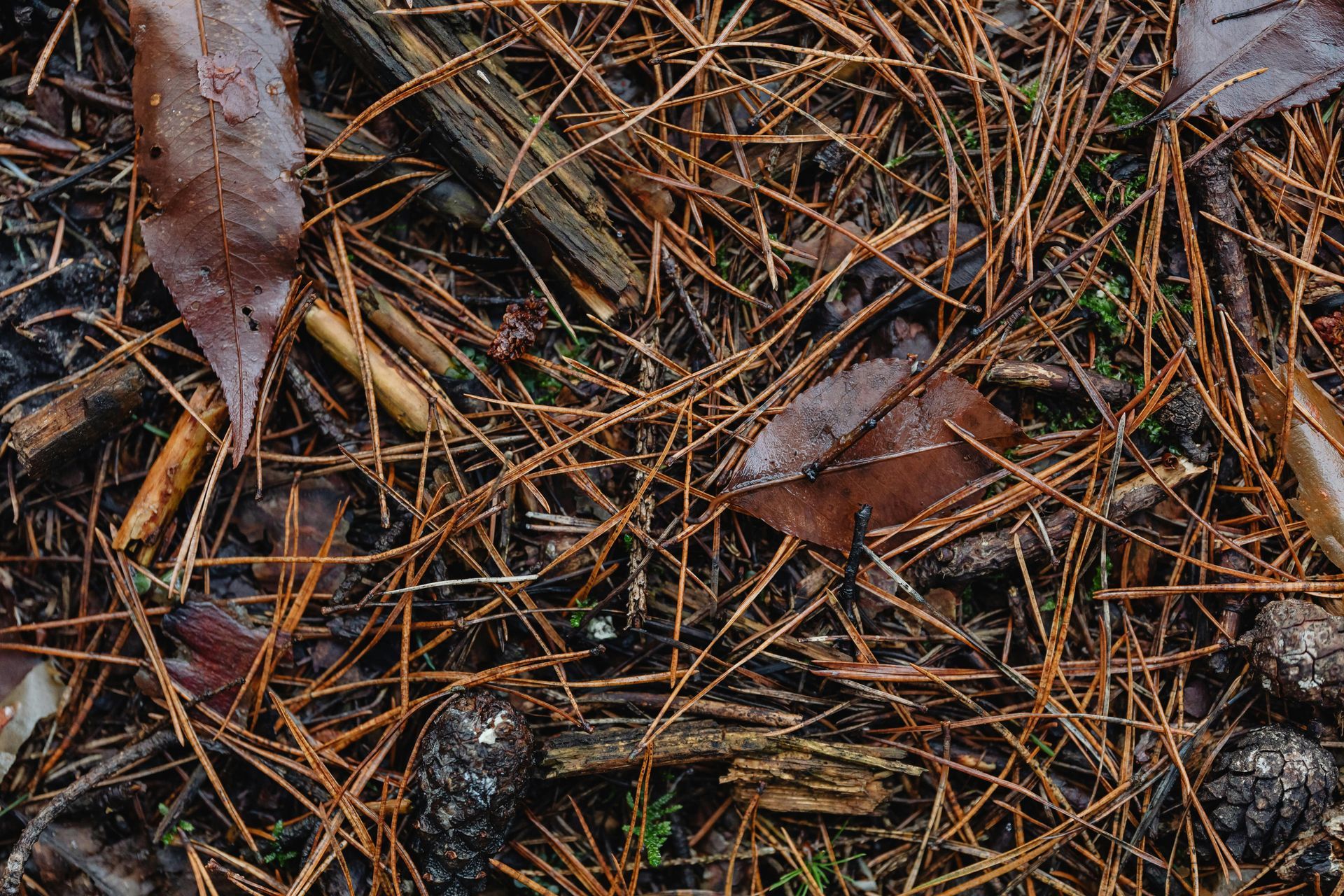
Your roof works year-round to protect your home, and a little seasonal maintenance goes a long way in keeping it strong, dependable, and leak-free. By checking your roof each spring and fall, you can catch small issues early and extend its overall lifespan — especially in a climate like Florida, where heat, humidity, and storms are the biggest factors. Spring Roof Checklist Spring is an ideal time to assess your roof after months of humidity, rain, and shifting temperatures. 1. Inspect Shingles for Damage Look for cracked, curling, loose, or missing shingles. Shingles can wear down more quickly in Florida due to year-round sun exposure and strong storms. 2. Check Gutters and Downspouts Leaves, pine needles, and debris can build up throughout the year. Clearing your gutters helps prevent water overflow that can damage fascia boards or cause pooling near your foundation. 3. Look for Signs of Water Stains Indoors Any discoloration on ceilings or walls may signal a roof leak. Spring showers often reveal moisture issues that weren’t noticeable before. 4. Examine Flashing Around Roof Penetrations Chimneys, vents, and skylights are common leak points. Make sure flashing hasn’t loosened or shifted after windy days or heavy rain. 5. Trim Branches Near the Roof Florida storms can send branches crashing onto roofs. Trim back anything hanging close to your home to reduce future risk. Fall Roof Checklist Fall is a great time to prep your roof before Florida’s dry season — and before the next round of spring and summer storms. 1. Clean Gutters Thoroughly Removing debris prevents water from backing up onto your roof and helps protect against mold, rot, and insect activity. 2. Check for Worn or Loose Shingles Florida’s summer heat can cause shingles to blister, warp, or weaken. Addressing damage in the fall helps protect your home before the next storm season. 3. Inspect Attic Ventilation Proper airflow keeps attic temperatures balanced and prevents moisture buildup, which is especially important in Florida’s humid climate. 4. Look for Moss or Algae Growth Florida’s warmth and humidity can encourage algae and moss. If left untreated, they can shorten the life of your roof by trapping moisture. 5. Schedule a Professional Roof Inspection A fall roof check gives you peace of mind heading into the dry season and ensures your roof is ready for next year’s storms. Why Seasonal Roof Care Matters Regular spring and fall checks help: Extend the life of your roof Prevent leaks and moisture damage Maintain energy efficiency Reduce costly emergency repairs Keep your home safe and structurally healthy A little attention twice a year can make a huge difference for Florida homeowners. Need Help With Seasonal Roof Care? At Ron Russell Roofing Inc. , we make seasonal maintenance simple. Whether you’re dealing with wear from the summer heat, storm concerns, or just want peace of mind, our team is here to keep your roof in top shape.
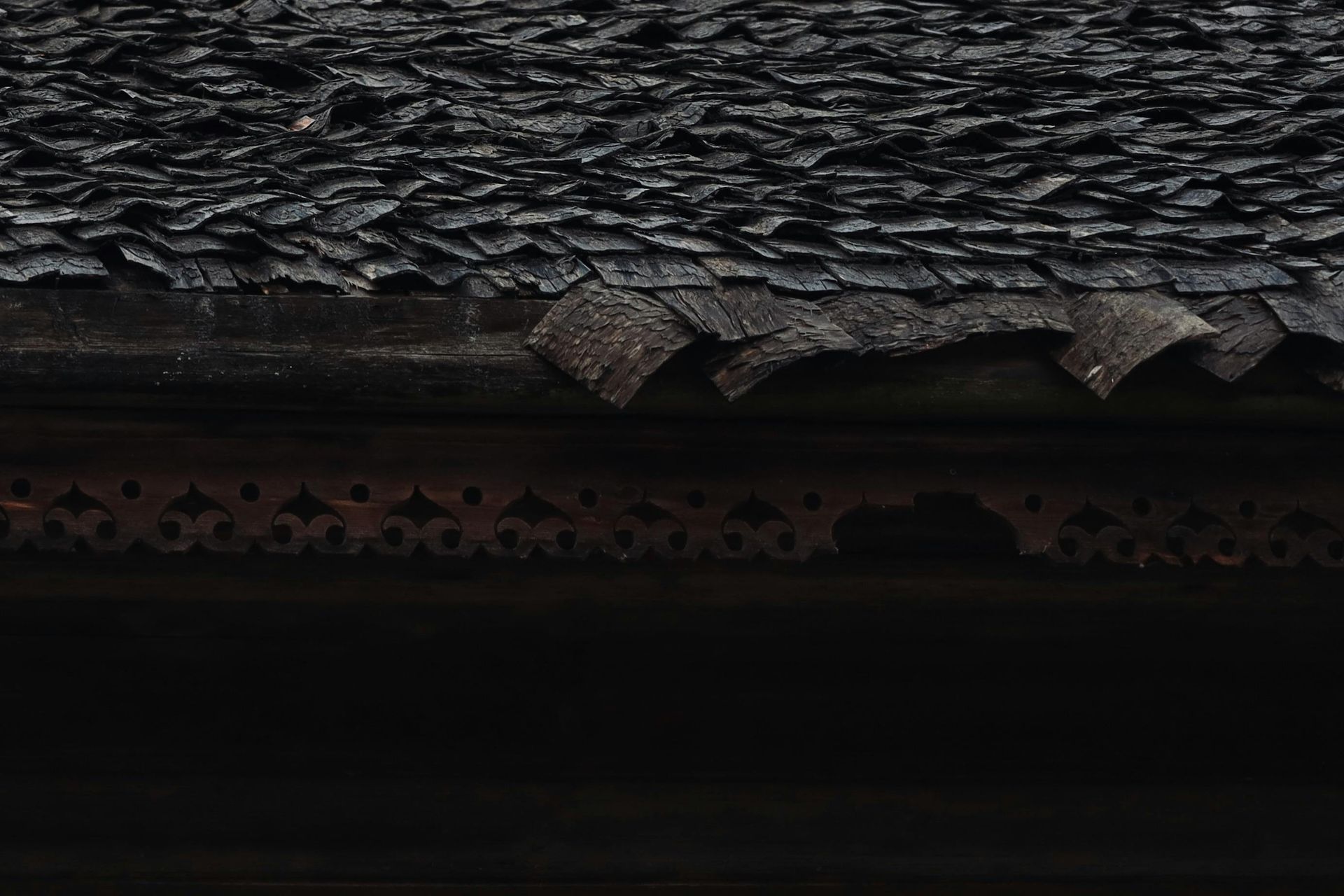
Your roof does more than protect you from rain and weather — it quietly reveals a lot about the condition of your entire home. When something is wrong with the roof, there’s almost always a deeper issue hiding underneath. Paying attention to the signals your roof gives can save you from costly repairs down the road and help maintain your home’s long-term health. 1. Shingle Wear Signals Aging or Structural Stress Curling, cracking, or missing shingles don’t happen randomly. They often point to bigger concerns such as: Aging materials nearing the end of their lifespan Poor attic ventilation, causing shingles to overheat Structural movement, which can shift or loosen shingles If multiple areas of your roof show this kind of wear, it’s your home’s way of saying it needs attention — not just at the surface, but possibly in the layers below. 2. Stains or Dark Streaks Indicate Moisture Problems Dark streaks, moss, or algae might seem cosmetic, but they often signal deeper issues: Trapped moisture, which can lead to mold Shingle deterioration, reducing protection Water retention, which may cause leaks Moisture problems are among the biggest threats to your home’s overall health because they spread quickly and quietly. 3. Sagging Areas Suggest Structural Damage A roof that appears uneven or sagging is a serious warning sign. It may point to: Water-damaged decking Compromised support beams Excessive weight from layers of old roofing This is a situation that should be inspected immediately, as structural issues can affect your safety and your home’s long-term stability. 4. Granules in Gutters Reveal Material Breakdown If you notice a buildup of granules in your gutters, your shingles are wearing down faster than they should. This can mean: UV damage Storm wear and tear Aging asphalt shingles Granule loss reduces your roof’s ability to protect against heat, storms, and moisture — all key elements of your home’s health. 5. Interior Signs Point to Hidden Roof Problems Your roof speaks through your home’s interior, too. If you’re seeing: Ceiling stains Peeling paint Musty odors in the attic …these are often the first clues of roofing issues that haven’t surfaced outside yet. 6. Consistent Energy Spikes Can Link Back to Roofing Issues Your roof regulates more than weather — it impacts your home’s efficiency. If your energy bills keep climbing, your roof may be telling you: Insulation is failing Ventilation is insufficient Air is escaping where it shouldn’t A healthy roof helps maintain stable indoor temperatures year-round. Final Thoughts A well-maintained roof is one of the strongest indicators of a healthy home. When you pay attention to the early signs — from shingle condition to indoor moisture — you protect the entire structure and avoid major repairs later. At Ron Russell Roofing Inc., we help homeowners understand what their roof is trying to tell them. Whether you need an inspection, repair, or replacement, our experienced team is here to keep your home strong from the top down.
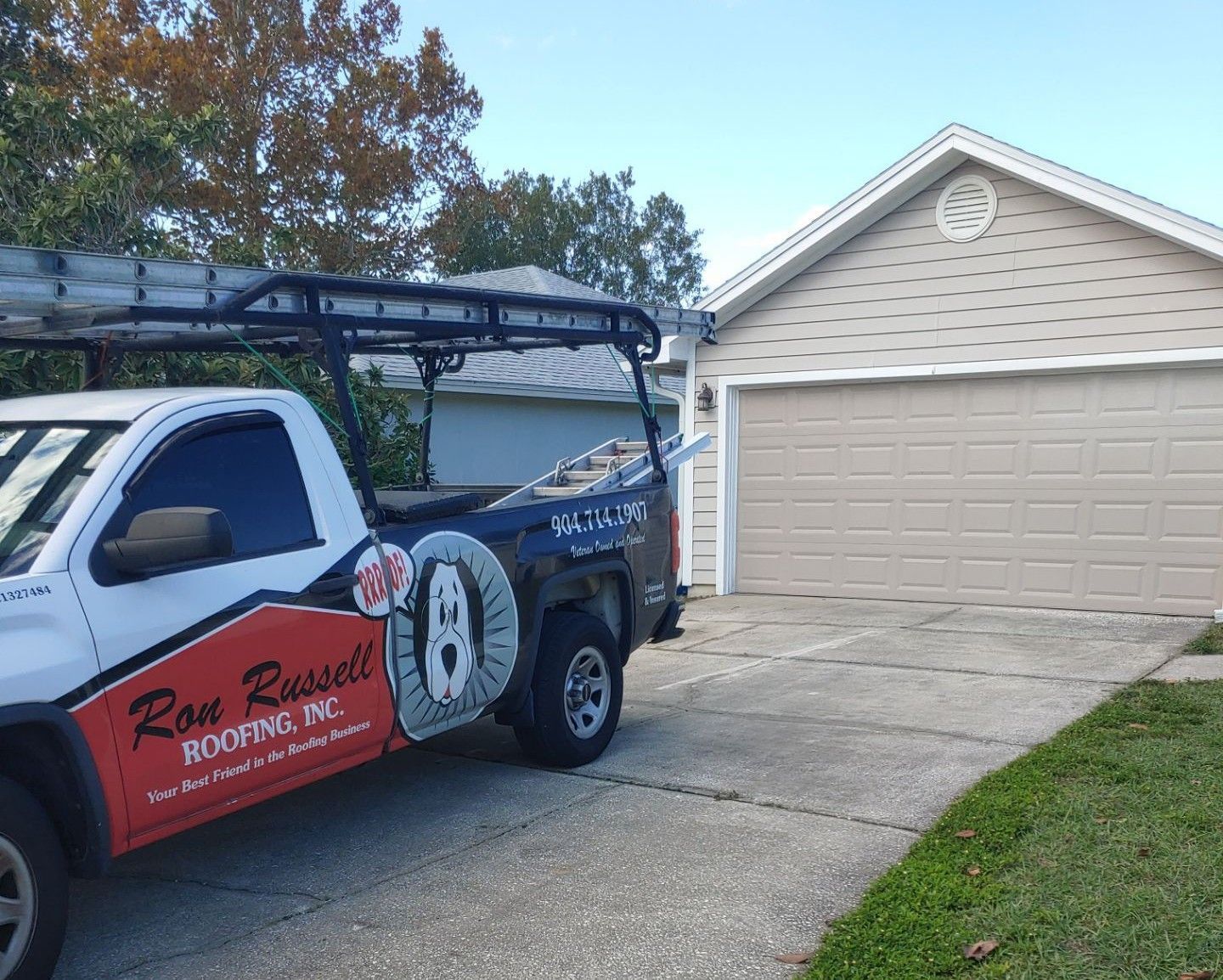
When it’s time for roof repair or replacement, choosing a local roofing company can make all the difference. Local roofers bring more than just skill — they bring firsthand knowledge of your area’s unique weather , building codes , and architectural styles . A local team understands the challenges your roof faces throughout the year, from summer heat and humidity to strong seasonal storms. They know which materials hold up best in your climate and can recommend options proven to last. Plus, local contractors are familiar with permitting requirements and HOA guidelines , saving you time and stress during the process. Working with a nearby company also means better accountability . You’re not dealing with out-of-town storm chasers or call centers — you’re working with professionals who live and work in your community and stand behind their craftsmanship. At Ron Russell Roofing Inc. , we take pride in being your trusted local roofing experts. We’ve built our reputation on honesty , quality , and long-term relationships — because our neighbors deserve nothing less.
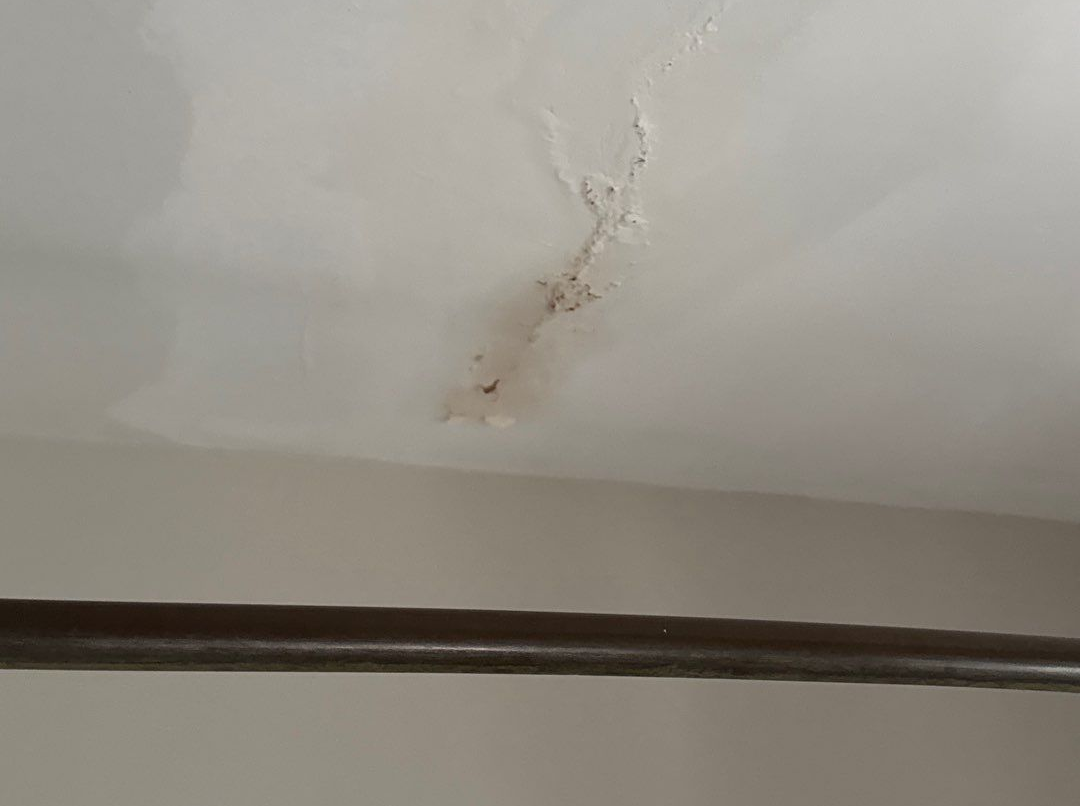
Roof leaks can lead to costly damage if they’re not caught early. Knowing what causes leaks can help you prevent problems before they start. Here are the most common reasons roofs leak — and how to stay ahead of them. 1. Aging Shingles Over time, shingles crack, curl, or lose protective granules, allowing water to seep in. Prevention: Have your roof inspected regularly and be aware of your roof’s age. 2. Storm Damage Strong winds and hail can loosen or remove shingles. Prevention: Check your roof after storms and replace damaged shingles quickly. 3. Worn or Loose Flashing Flashing around chimneys, skylights, and vents is a common leak point when it deteriorates. Prevention: Ensure flashing is checked during routine roof maintenance. 4. Clogged Gutters If gutters overflow, water can back up under the shingles. Prevention: Clean gutters at least twice a year to keep water flowing properly. 5. Failing Vent Pipe Seals Rubber vent boots crack and break down over time. Prevention: Inspect vent pipes and replace worn boots when needed. 6. Ice Dams (Cold Climates) Ice buildup along the roof edge can force water beneath shingles. Prevention: Proper attic ventilation and insulation can help prevent ice dams. Bottom Line Small issues can turn into roof leaks quickly. Regular inspections and maintenance are the best way to protect your home. If you suspect a problem, addressing it early can prevent costly repairs later.
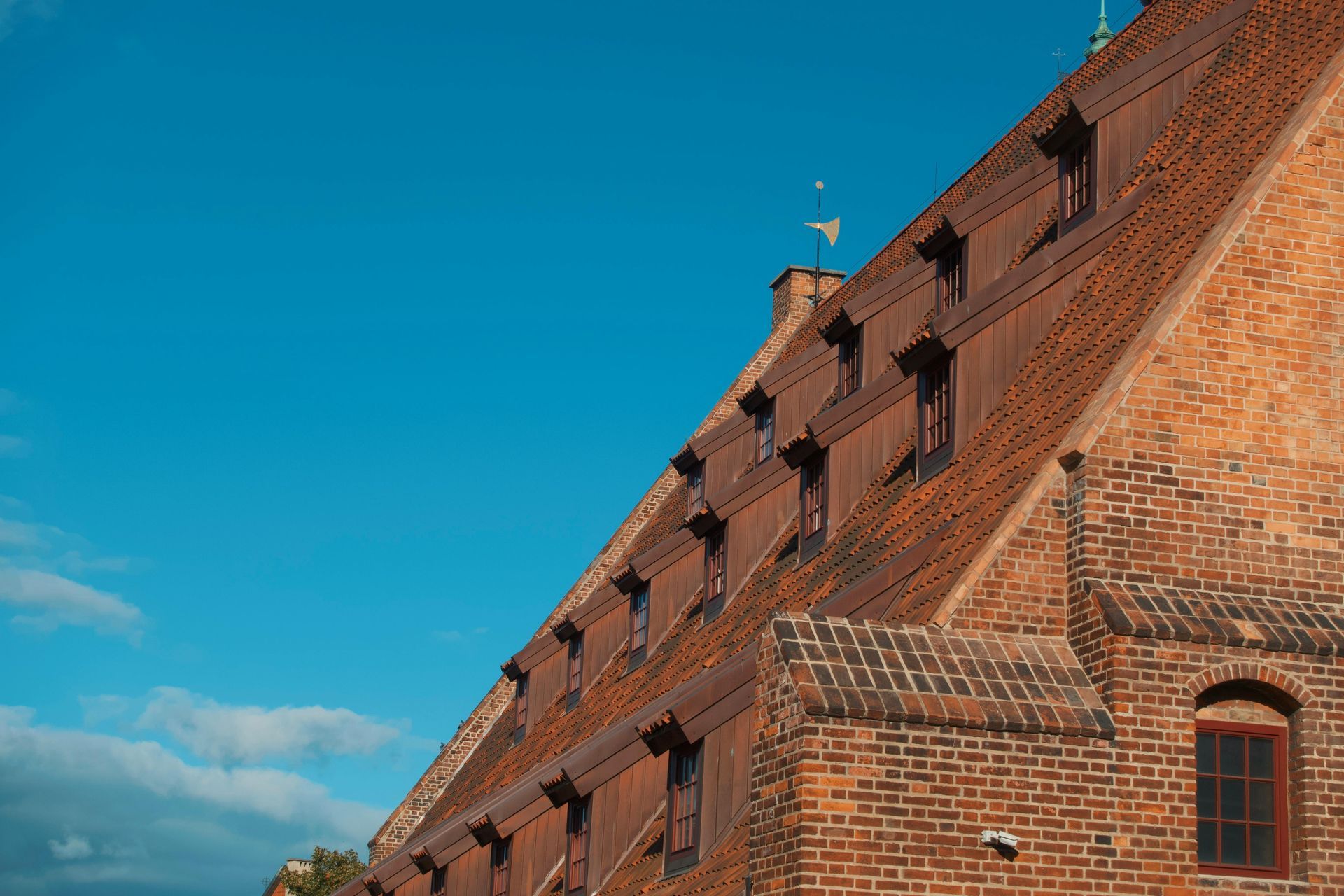
Understanding Roof Pitch and Why It Matters When it comes to your roof, roof pitch — the slope or steepness — plays a big role in your home’s safety, durability, and appearance. What Is Roof Pitch? Roof pitch is the angle of your roof, expressed as a ratio of rise over run. For example, a 4:12 pitch means the roof rises 4 inches for every 12 inches of horizontal distance. Low-pitch roofs: 2:12–4:12, gentle slope Medium-pitch roofs: 4:12–9:12, common on most homes High-pitch roofs: 9:12+, steep and dramatic Why Roof Pitch Matters 1. Water Drainage Steeper roofs shed rain and snow more efficiently, while low-pitch roofs need durable, water-resistant materials to prevent leaks. 2. Roofing Material Options Some materials work better with certain pitches: Asphalt shingles: medium to steep roofs Metal roofing: versatile but needs proper installation on low slopes Flat or very low-pitch roofs: require materials like TPO or EPDM 3. Home Appearance Pitch affects curb appeal: steep roofs give a dramatic look, while low-pitch roofs create a modern, sleek style. 4. Maintenance & Safety Steep roofs are harder to maintain safely, while low-pitch roofs need regular checks to avoid water pooling and damage. How to Find Your Roof Pitch You can measure your roof with a level and tape measure, but the safest method is to have a professional roofing contractor assess it. They can recommend the best materials and maintenance approach for your home. Bottom Line Understanding your roof pitch helps you make smarter decisions about repairs, replacement, and maintenance. It’s a key factor in protecting your home and keeping it looking great for years to come.