Wind Damage vs. Water Damage: How to Spot the Difference
Wind Damage vs. Water Damage: How to Spot the Difference
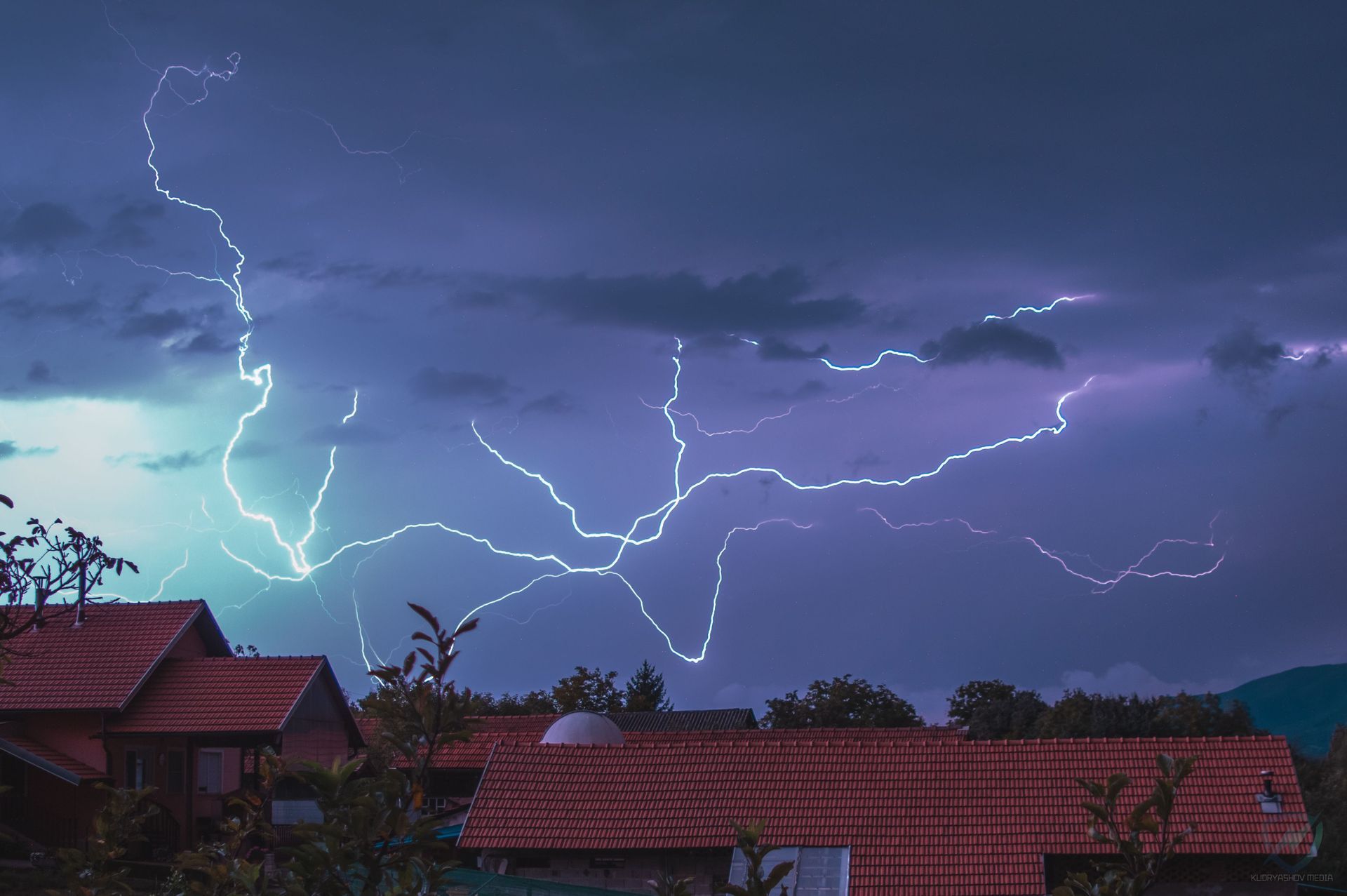
Learn how to spot wind and water damage on your Jacksonville roof. Discover common storm damage signs and when to schedule a professional roof inspection. In Florida, strong winds, heavy rain, tropical storms, and hurricanes can all contribute to roofing problems. Sometimes storm damage is obvious, such as missing shingles or a tree branch through the roof. Other times, the damage is much harder to see.
Two of the most common types of storm-related roofing problems are wind damage and water damage. While they're different problems, they often occur together. Wind can damage your roofing system and create an opening that allows rainwater to enter your home. Knowing how to recognize the signs of both can help Jacksonville homeowners address roof problems before they become more expensive.
What Is Wind Damage to a Roof?
Wind damage occurs when strong winds loosen, lift, shift, or remove roofing materials. Wind can also damage flashing, vents, ridge caps, and other components of your roofing system. You don't necessarily need to see shingles scattered across your yard for your roof to have wind damage. Some damage can be subtle and may require a professional roof inspection to identify.
Common Signs of Wind Damage
After a significant storm, look for:
- Missing shingles
- Lifted or curled shingles
- Creased or cracked shingles
- Loose or damaged flashing
- Missing or damaged ridge caps
- Exposed underlayment or roof decking
- Roofing materials or debris in your yard
- Granules collecting around downspouts
- Damage from fallen branches or other debris
Wind damage is particularly concerning because even a small opening in your roof can allow water to enter during the next rainfall.
What Is Water Damage to a Roof?
Water damage occurs when rain or moisture gets past the roof's protective layers. A roof leak may result from storm damage, deteriorated roofing materials, damaged flashing, failed seals, or other roofing problems.
The challenge with water damage is that the source of the leak isn't always directly above the area where you see the problem inside your home. Water can travel along decking, insulation, framing, and other materials before becoming visible.
Common Signs of Water Damage
Inside your home, watch for:
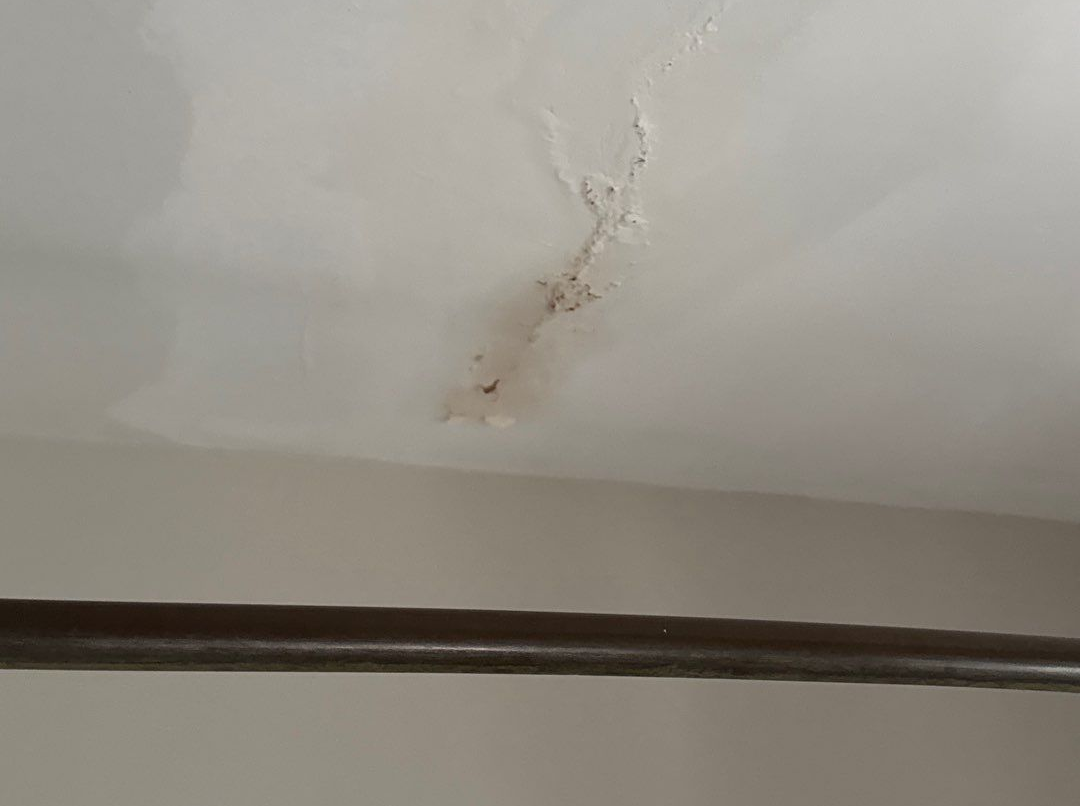
- Brown or yellow ceiling stains
- Water spots on walls
- Peeling paint
- Bubbling or damaged drywall
- Damp attic insulation
- Mold or mildew
- Musty odors
- Sagging areas of the ceiling
- Visible dripping during or after rainfall
If you notice a new ceiling stain following a storm, don't assume the problem will go away once the rain stops. The roof should be inspected to determine where the water is entering.
How Can You Tell the Difference Between Wind and Water Damage?
Wind damage generally starts with a physical problem affecting the exterior of the roof. Missing or lifted shingles, damaged flashing, and debris impacts are common examples.
Water damage is often identified by the effects of moisture inside the home. Ceiling stains, wet insulation, mold, and damaged drywall can all indicate that water has entered the roofing system.
However, determining the original cause isn't always possible from a visual inspection inside the home. A professional roofing contractor can inspect the exterior roof and attic to help identify the source and extent of the damage.
How Wind Damage Can Lead to Water Damage
Wind and water damage frequently go hand in hand. For example, strong winds can lift a shingle and break its seal without completely removing it. Wind can also loosen flashing or damage roofing materials around vents and other penetrations.
When the next storm brings heavy rain, water can enter through those compromised areas. This means your roof may look relatively normal from the ground while still having damage that could eventually result in a leak. Jacksonville roofing professionals regularly encounter storm damage that isn't immediately obvious to homeowners.
What Should You Do After a Storm in Jacksonville?
After a significant storm, start with a visual inspection from the ground. Don't climb onto your roof yourself. Wet roofing surfaces can be slippery, and damaged roofing materials may be unstable.
Instead, look around your property for:
- Missing shingles or roofing materials
- Roofing debris
- Fallen branches
- Damaged flashing
- Visible holes or openings
- New stains or leaks inside your home
If you see damage, take photographs from a safe location. Photos can help document the condition of your property before repairs are performed.
If your roof has an active leak, place a container beneath the leak if it is safe to do so and move furniture or belongings away from the affected area, then contact a qualified roof repair contractor in Jacksonville for an inspection.
Why a Professional Roof Inspection Matters
Not all storm damage is visible from the ground. A professional roof inspection can identify problems involving shingles, flashing, roof penetrations, underlayment, decking, and other components of the roofing system. An inspection can also help determine whether a problem appears to be localized and repairable or whether the roof has more extensive damage.
For Jacksonville homeowners, having the roof checked after significant wind or storm activity can be especially useful when there are visible signs of damage or new water intrusion.
Don't Ignore a Small Roof Leak
A small leak doesn't necessarily mean you need a new roof. However, it shouldn't be ignored.
Water that repeatedly enters a roof assembly can contribute to deterioration of roofing materials and other parts of the home. Addressing the source early may help prevent a relatively small roofing problem from becoming a larger repair.
If you're seeing a water stain but can't identify the source, a professional roof leak inspection can help locate the problem.
How to Protect Your Roof From Future Storm Damage
You can't control Jacksonville's weather, but regular maintenance can help keep your roof in good condition.
Consider these preventative steps:
Schedule Regular Roof Inspections
Routine inspections can help identify deteriorated shingles, damaged flashing, drainage problems, and other issues before they become major problems.
Keep Gutters and Downspouts Clear
Proper drainage helps direct rainwater away from your roof and home.
Trim Overhanging Branches
Branches hanging over your roof can become dangerous during high winds and may damage shingles or other roofing materials if they fall.
Address Roof Repairs Promptly
A damaged shingle or small flashing problem can create an opportunity for water intrusion. Taking care of repairs early can help protect the rest of the roofing system.
Have Your Roof Checked After Significant Storms
If your property has experienced strong winds or severe weather, consider scheduling a professional inspection—particularly if you notice missing materials, debris, or signs of water intrusion.
When Should You Call a Jacksonville Roofing Contractor?
You should consider contacting a roofing professional if you notice:
- Missing or damaged shingles
- A new roof leak
- Water stains on your ceiling
- Damaged flashing
- Roof debris following a storm
- Sagging or visibly damaged roofing materials
- An unexplained leak that appears during heavy rain
A professional can assess the condition of your roof and explain what repairs, if any, are appropriate.
Wind Damage vs. Water Damage: The Bottom Line
Wind damage and water damage are different, but they are often connected. Strong winds can compromise shingles, flashing, and other roofing components, creating openings that allow rainwater into your home. The sooner potential storm damage is identified, the sooner you can take steps to protect your home.
If you live in Jacksonville and suspect your roof has suffered wind damage, water damage, or other storm damage, scheduling a professional roof inspection can help you understand what's happening before a small problem turns into a larger one.
Don't wait for the next storm to find out whether your roof is ready. Contact Ron Russell Roofing to schedule a professional roof inspection or discuss your roof repair needs.